

2026 Annual Goal
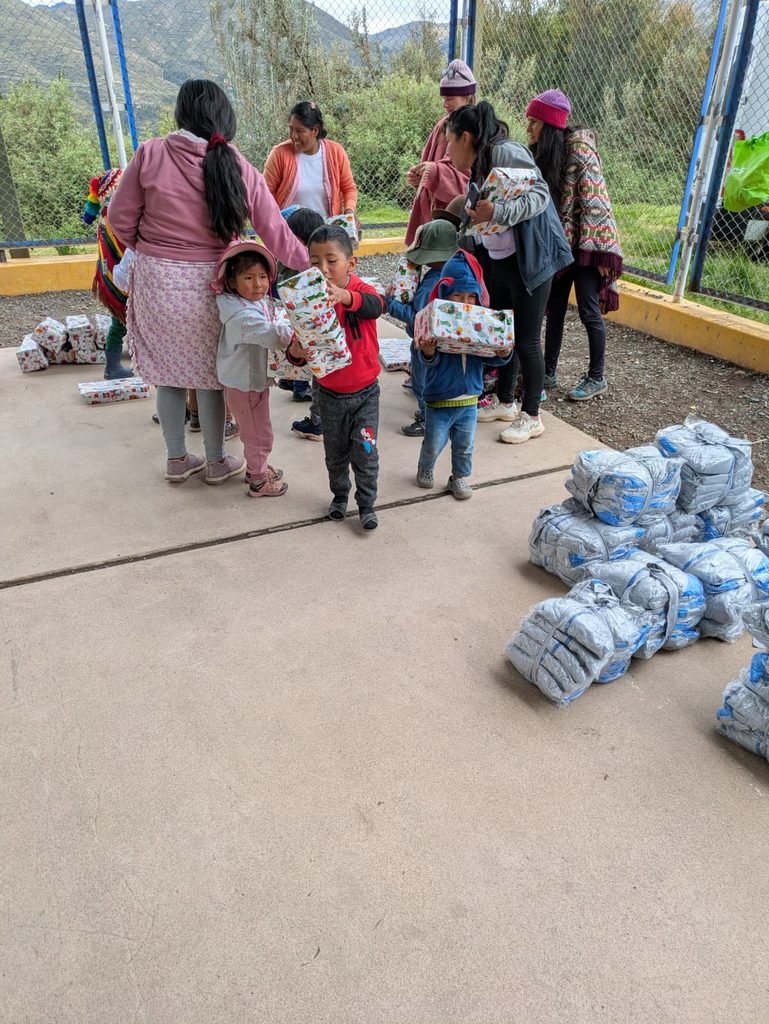
Christmas presents- 50 soles per child- 5,500 soles- $1,642
School Uniforms- 40 soles per child- 4,400 soles- $1,313
School Supplies- 20 soles per child- 2,200 soles- $657
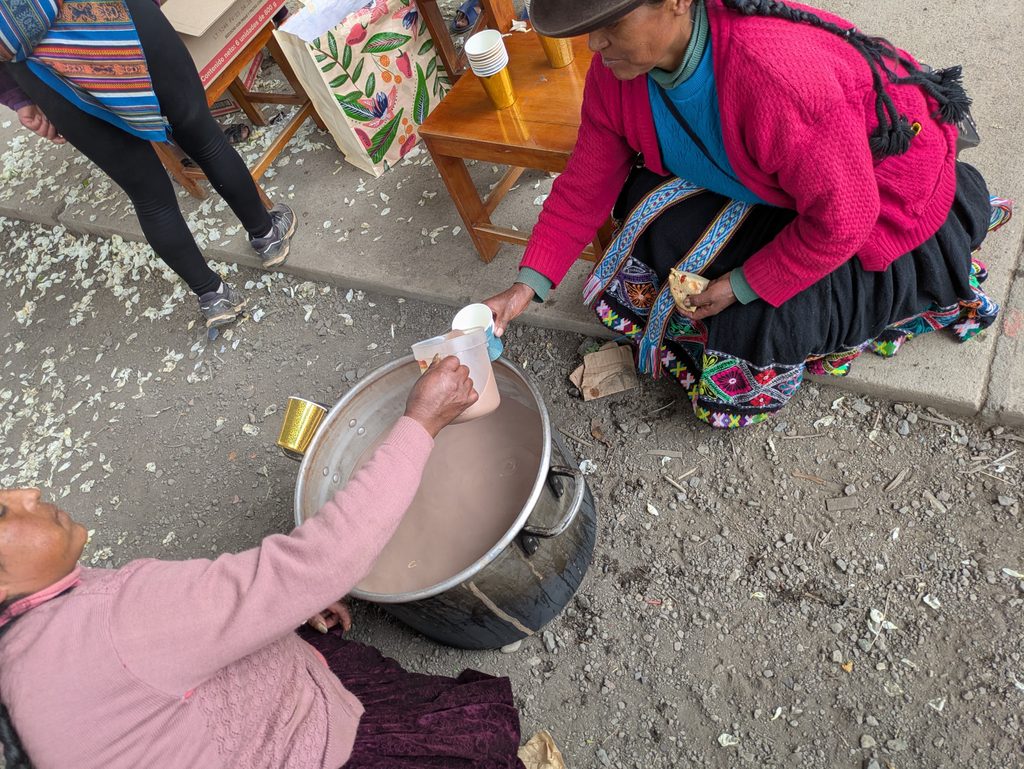
Hot chocolate-300 soles- $89
Panatones-800 soles- $239
total GOAL/budget: 13,200 soles- $3,941
2025 fundraising
dollars total $2,600
soles total 8,580
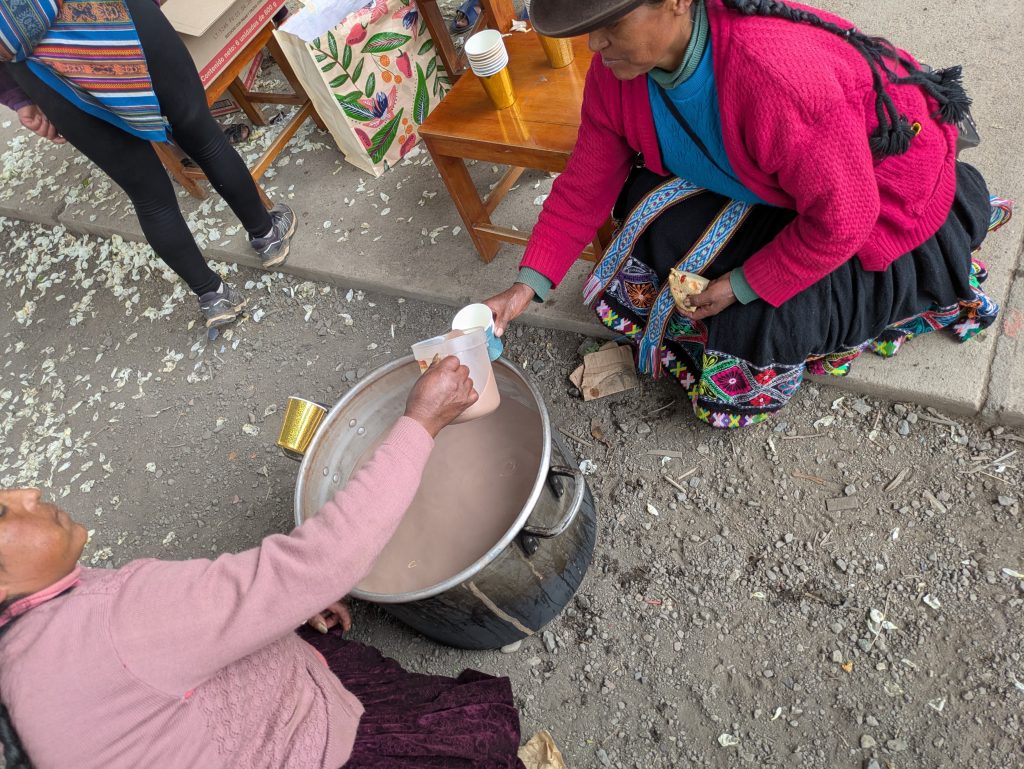
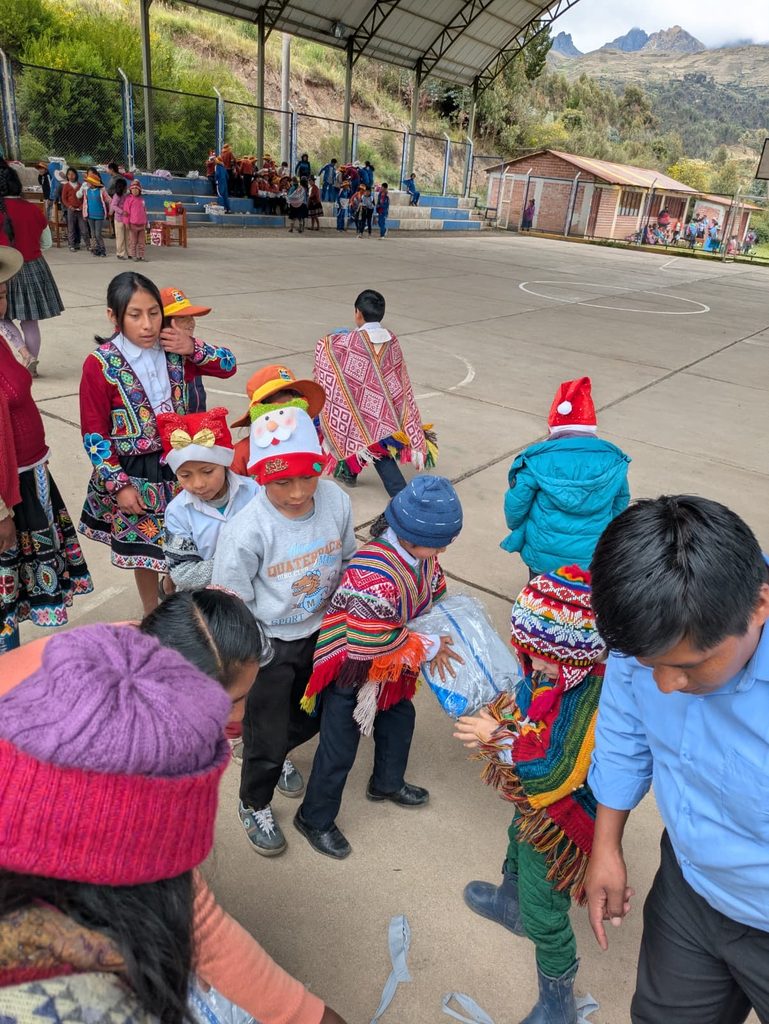
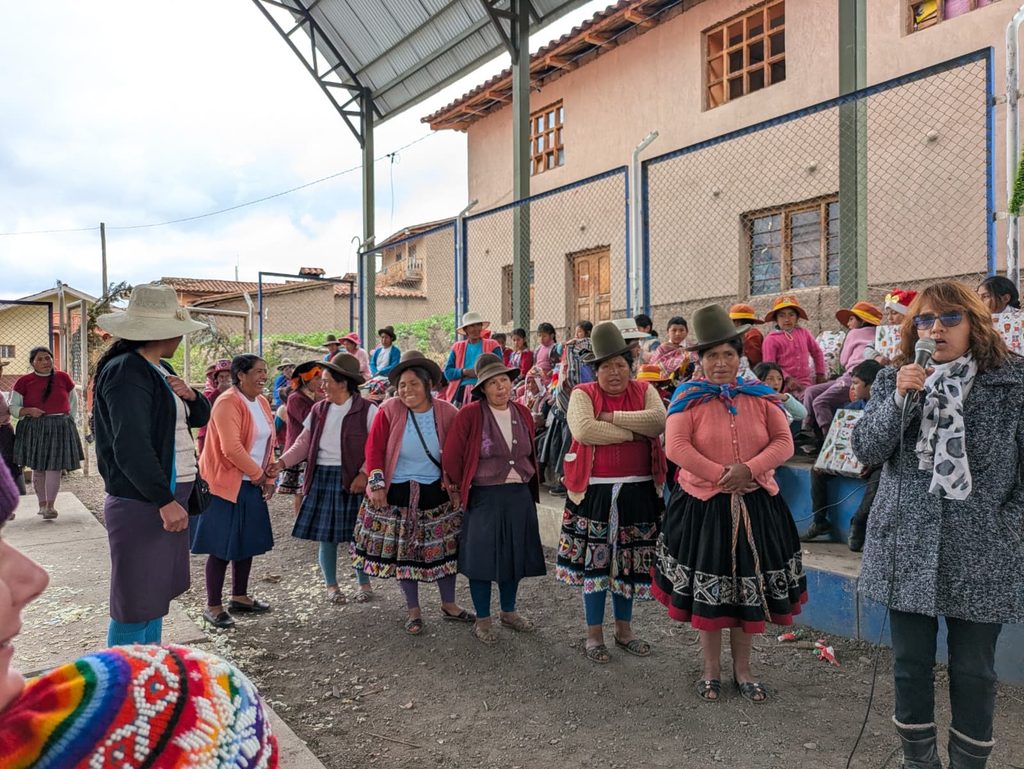
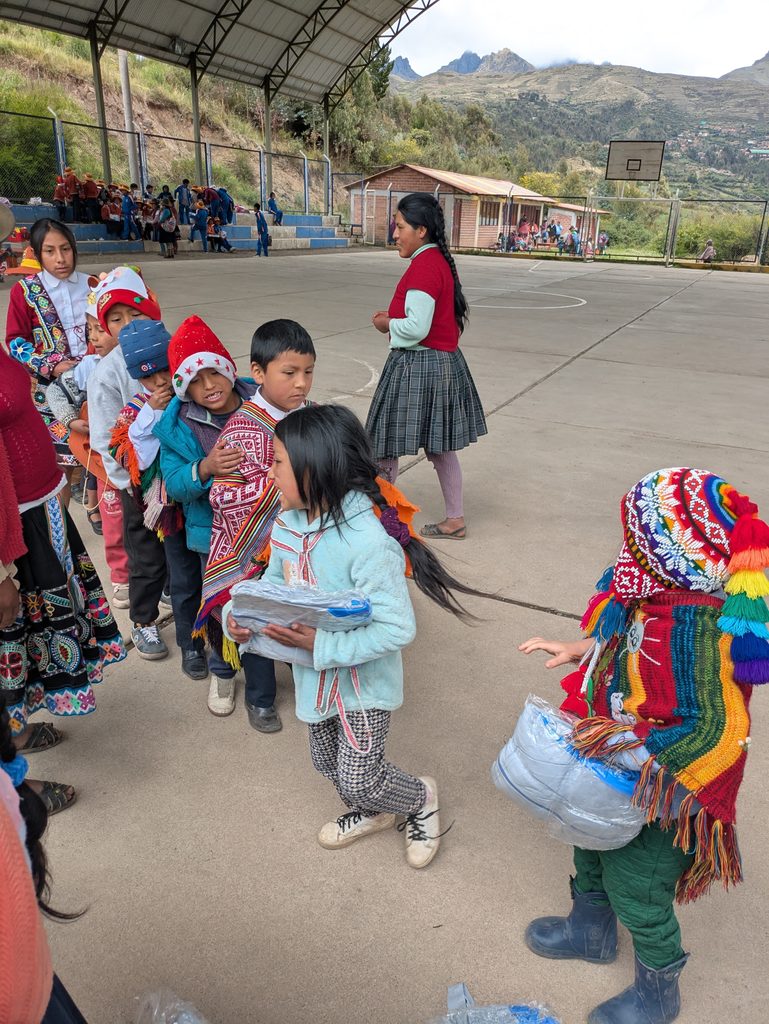
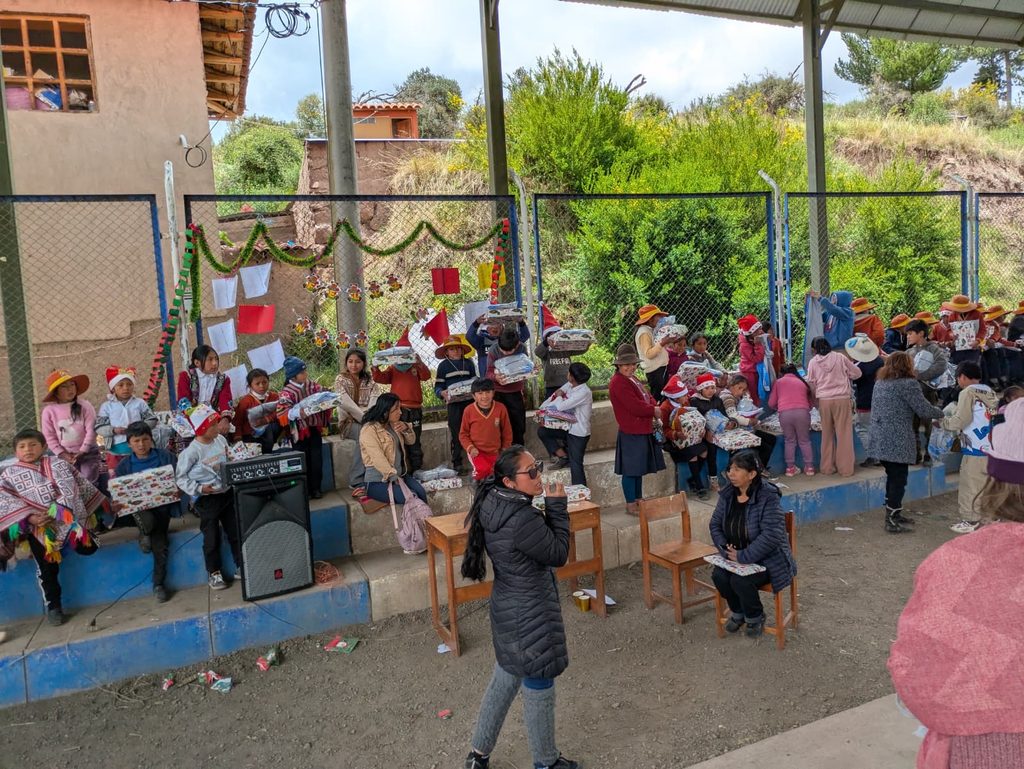
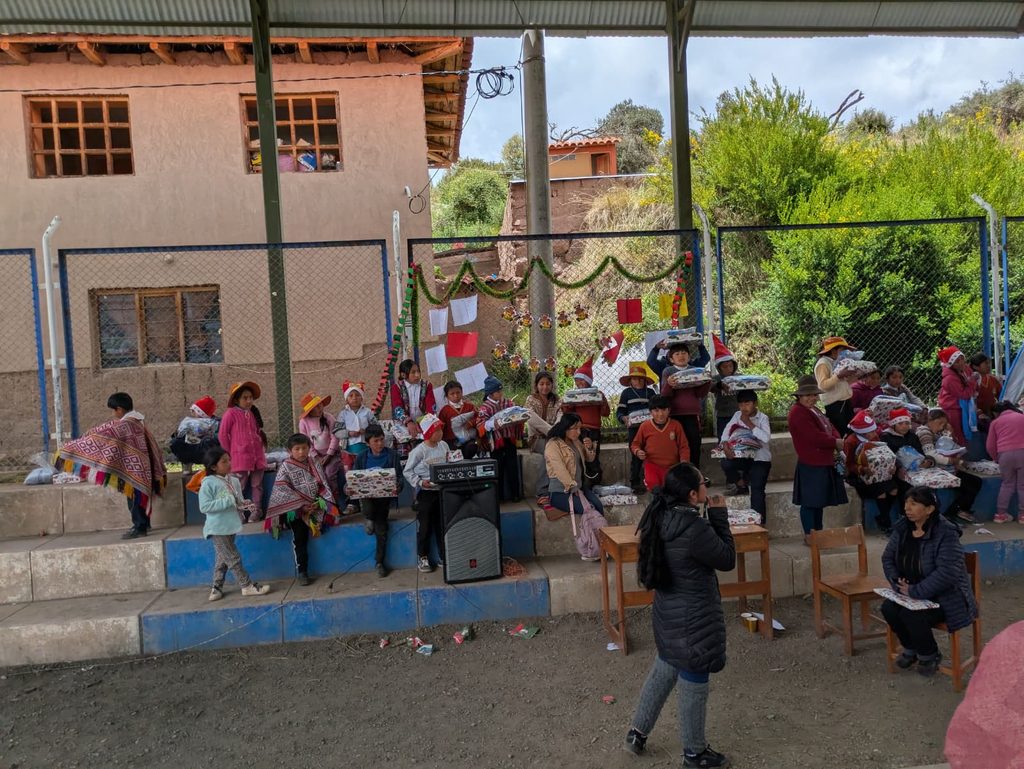
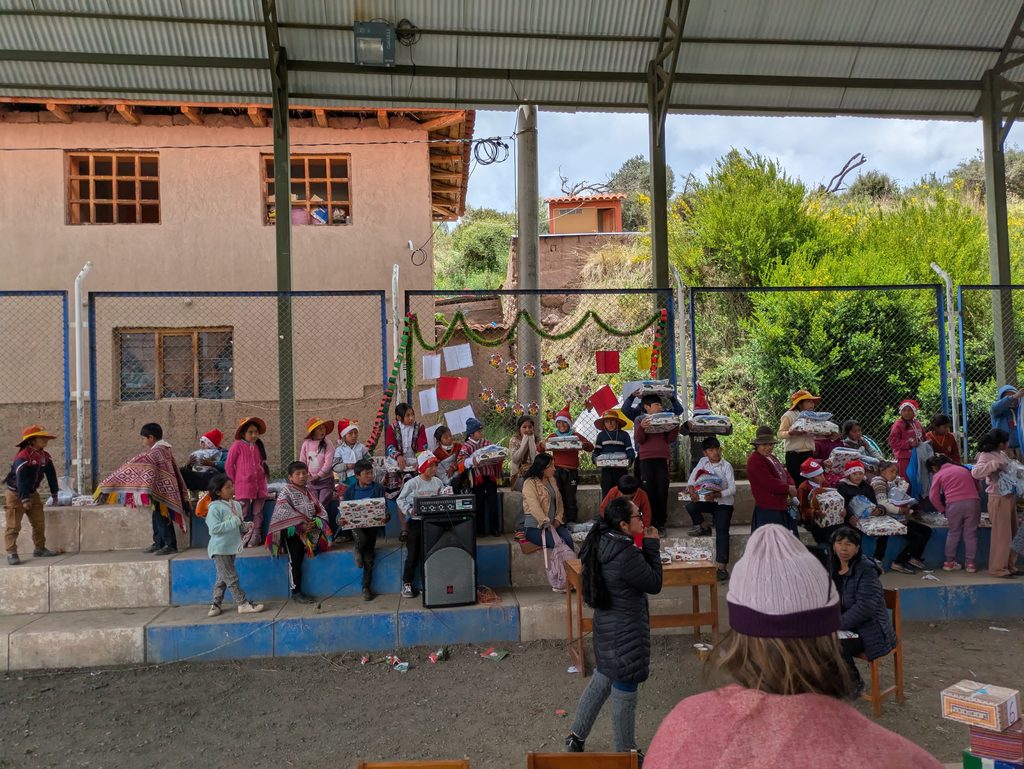
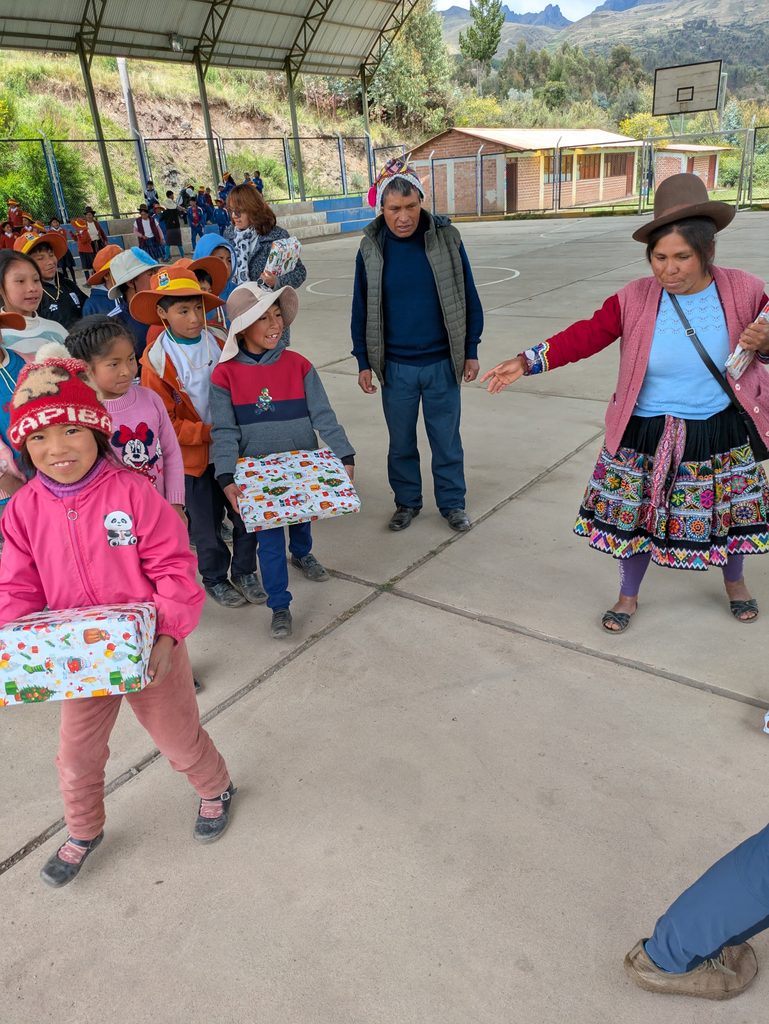
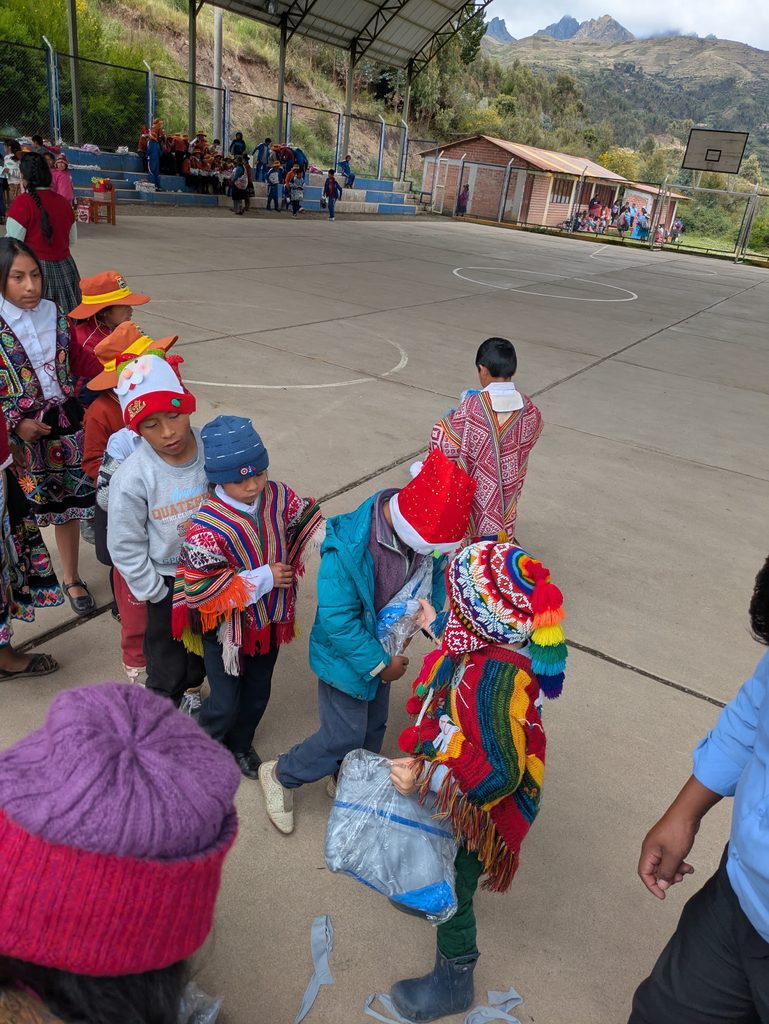
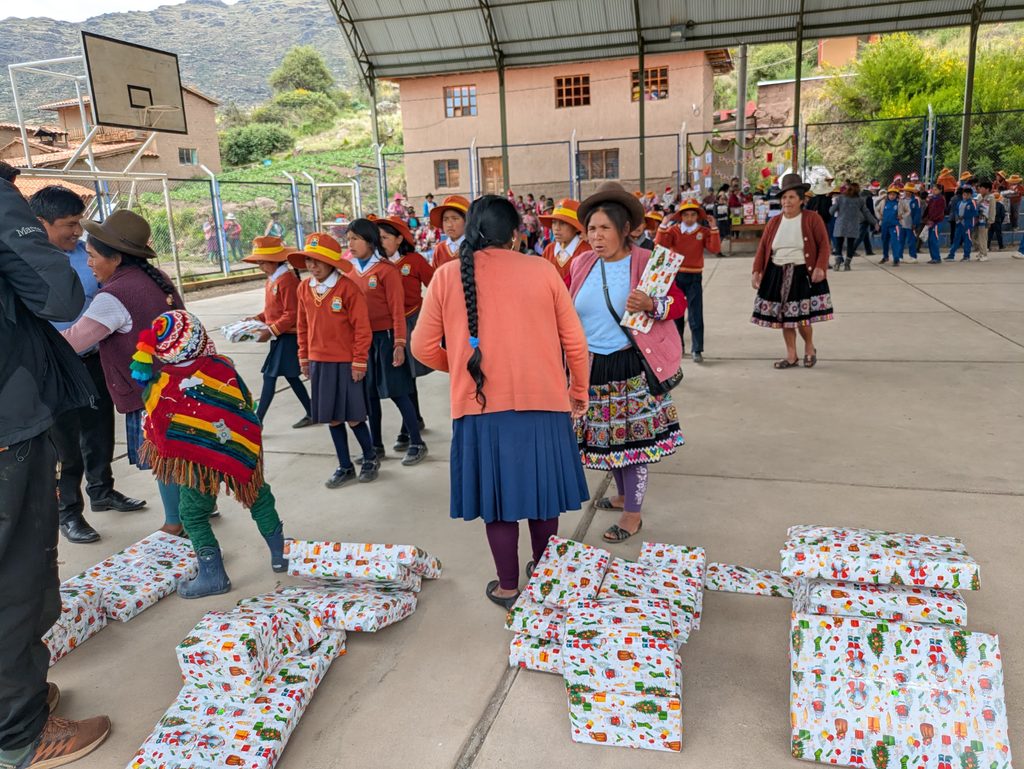
Every December the last week of school in Amaru the children celebrate with a christmas pageant. Now with the help of donors and volunteers we provide christmas presents and school supplies for all 110+ kids. Last year they all got new school uniforms! Live in the Sacred Valley? Come volunteer with us! Live overseas? support us through donations or purchases! Please reach out if you have any questions or ideas on how you can support our community project.


Empower Indigenous Artisans and Children
The Amaru community is a traditional Quechua-speaking Indigenous community located in the highlands of the Peruvian Andes, in the Sacred Valley region of Cusco. It sits in the mountains above Pisac, at around 3,800 meters (12,500 ft), and is part of a network of communities that have preserved ancestral ways of life.
Here are some key aspects of Amaru life and culture:
🌱 Economy & Daily Life
• Agriculture is central. The Amaru cultivate potatoes, corn, quinoa, and other Andean staples using traditional terracing methods. They are especially known for their potato varieties, reflecting the Andes’ role as the birthplace of the potato.
• Pastoralism complements farming—families raise llamas, alpacas, and sheep for wool, meat, and trade.
🎨 Textiles & Artistry
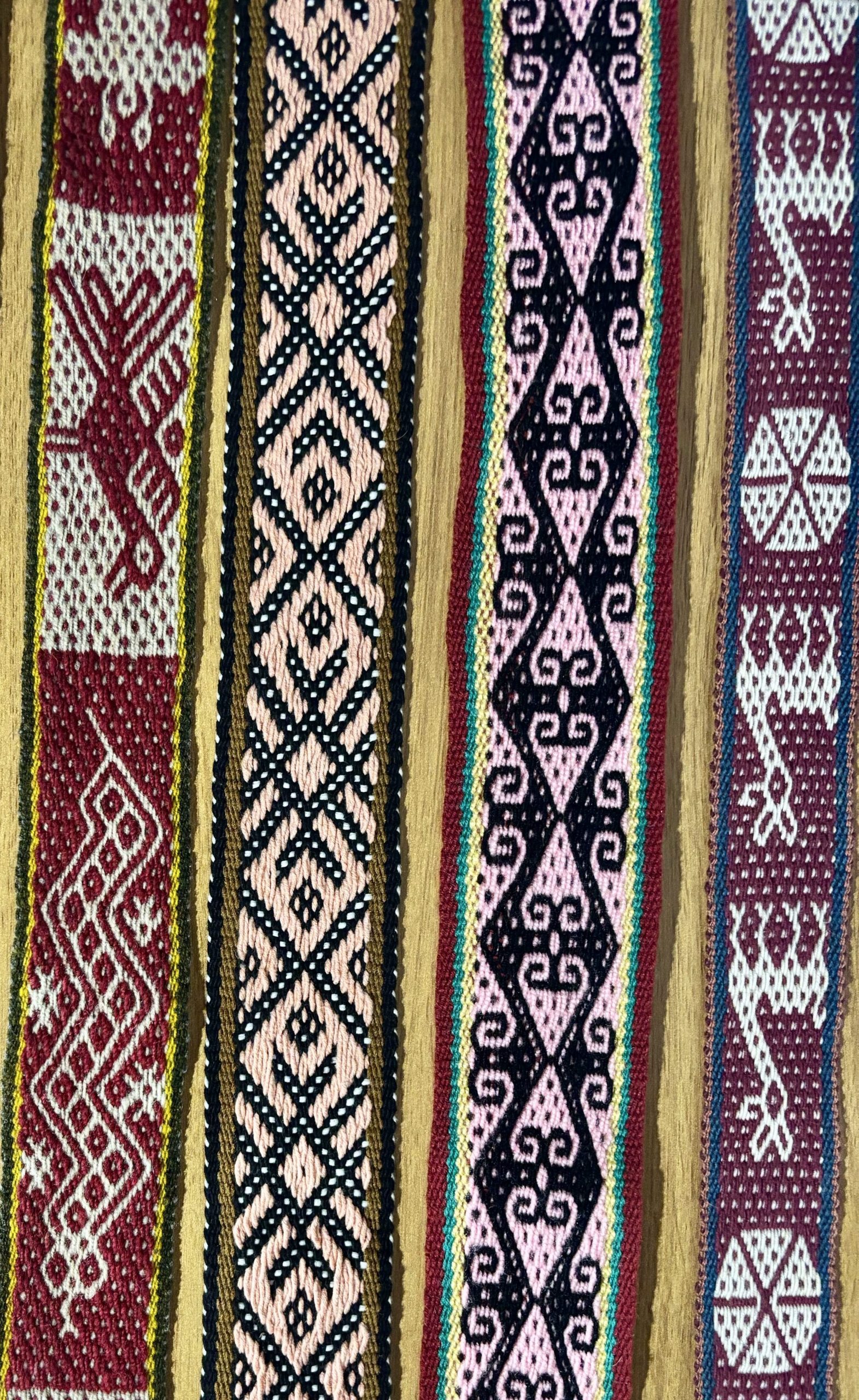
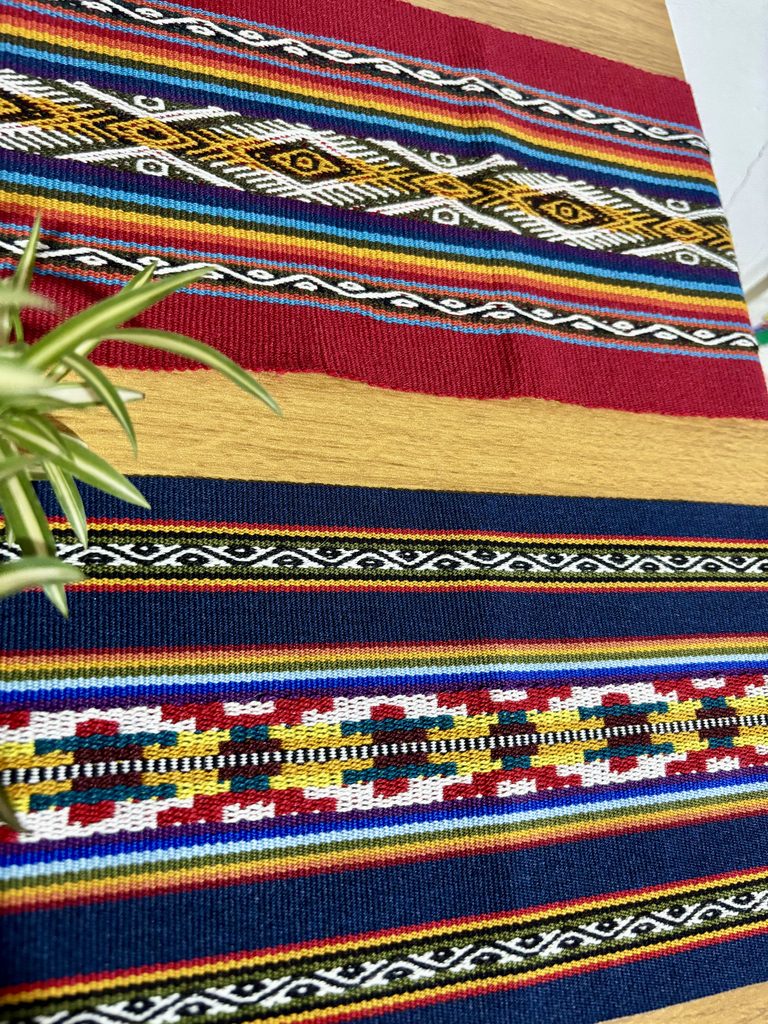
• The Amaru are renowned weavers. Women in particular maintain ancestral techniques of spinning, dyeing, and weaving with natural fibers and plant-based dyes. Each textile pattern tells a story—about the land, the cosmos, and community identity.
• Their weaving is part of the Cusco Textile Center network, which helps preserve and share this heritage.
🌄 Spiritual & Cultural Life
• The community keeps a close relationship with Pachamama (Mother Earth) and the Apus (sacred mountain spirits). Offerings, ceremonies, and prayers are integral to daily life.
• The ayni principle—reciprocity and mutual support—guides social relations and labor exchange.
🏡 Community Organization
• Amaru operates through communal decision-making. Work is often collective, whether in fields, herding, or building.
• Visitors are welcomed through community-based tourism projects, where families open their homes, share meals, and teach about weaving, farming, and traditional medicine.
✨ Visitors’ Experience
Travelers who visit Amaru often:
• Participate in weaving workshops and learn about natural dyes.
• Share in Andean meals like potatoes cooked in a huatia (earthen oven).
• Experience the profound hospitality of the community, where knowledge and traditions are shared with warmth and pride.
In essence, Amaru embodies the living continuity of Andean tradition—a community rooted in the mountains, where land, work, art, and spirit are inseparable.



Sacred Threads: Weaving Hope for our Children
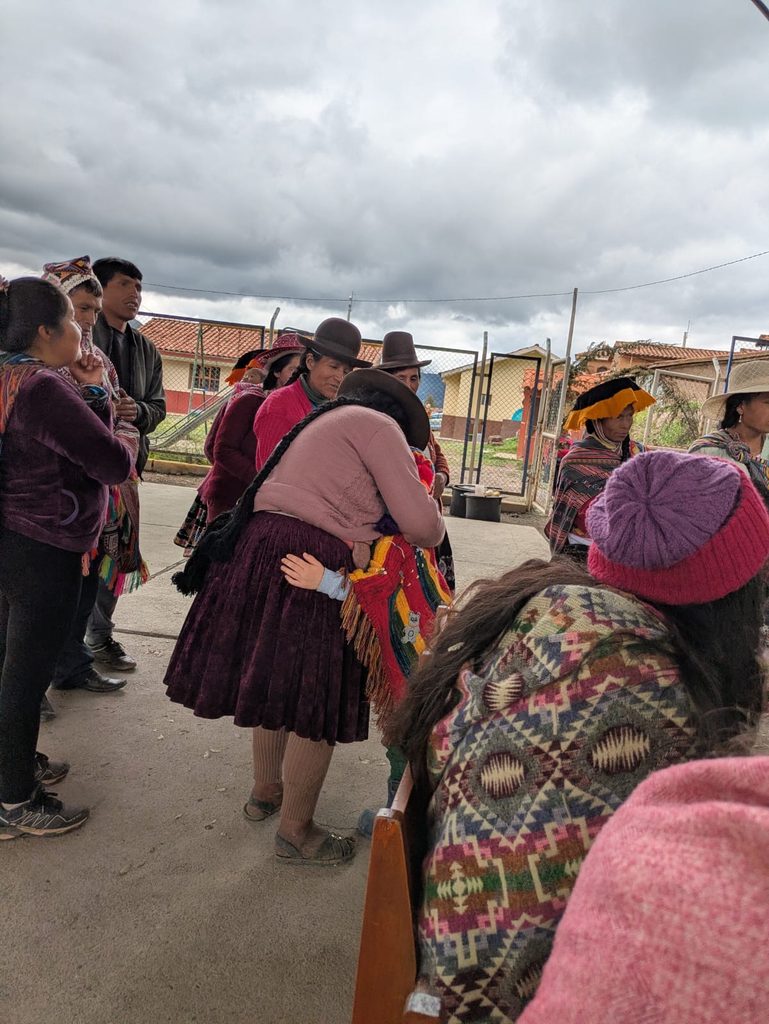
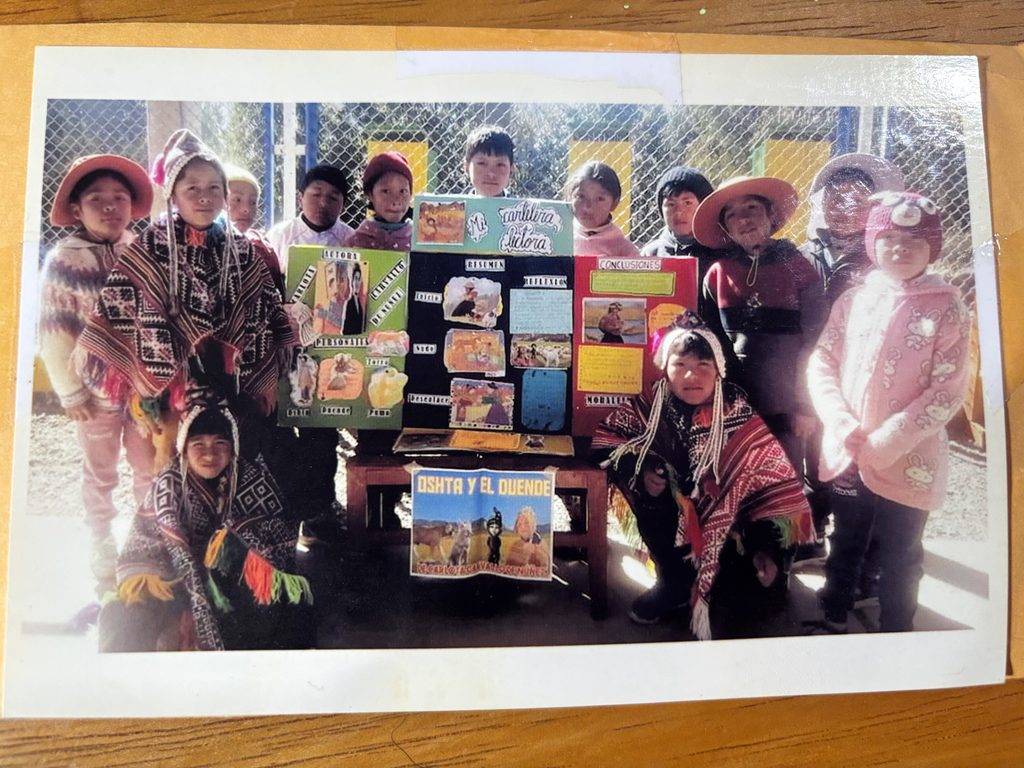
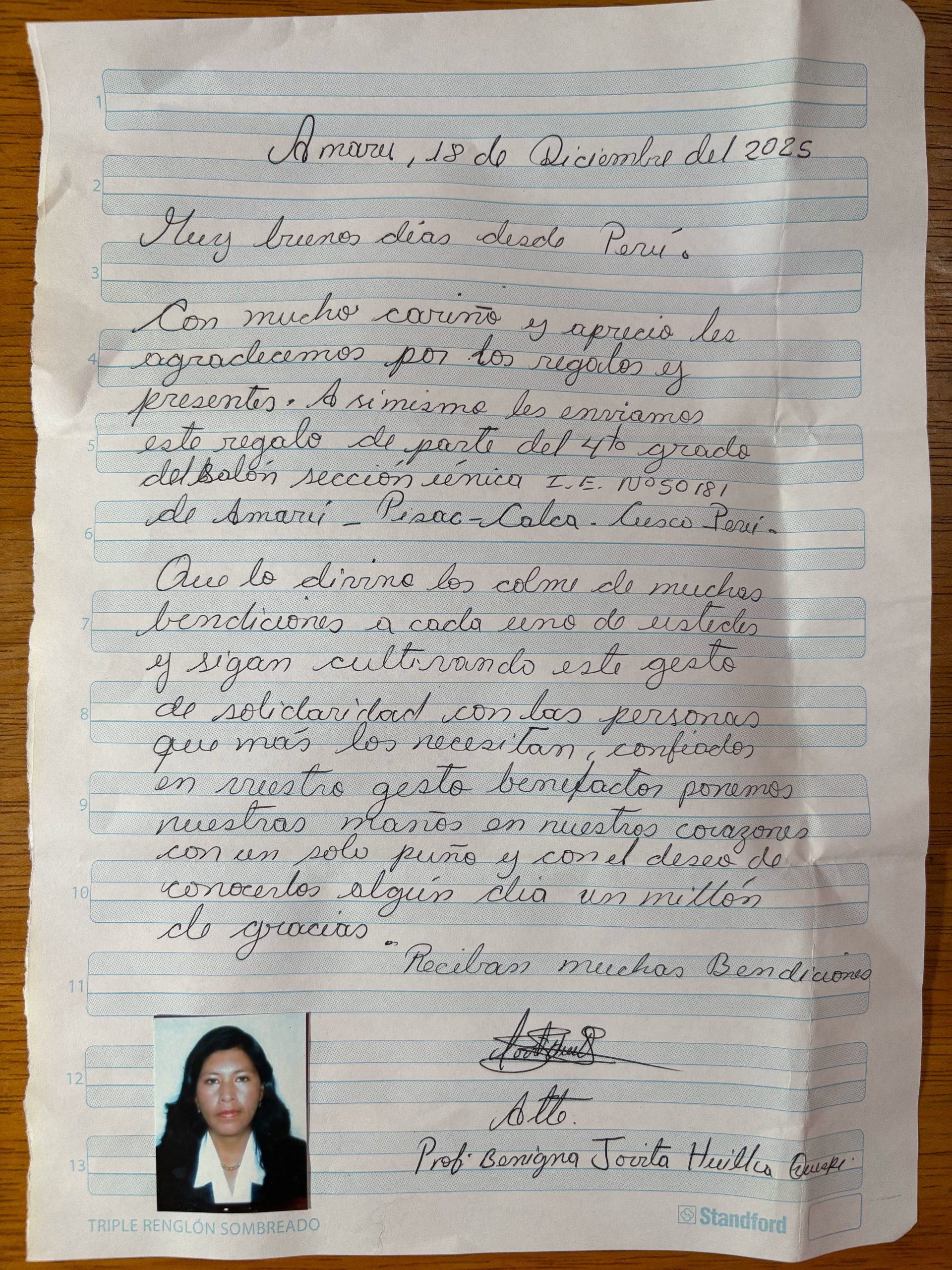
It all started with Libia, a mother and artisan, who asked if we could help provide a christmas party for her daughters primary school class. A few years later and we are now providing christmas presents, hot chocolate, cakes, school supplies, and clothing to all the children at Amaru Primary School. Help us continue this beautiful charitable tradition.

Raise Funds and Identify Community Needs
By raising donations and selling textiles we then create a budget and plan based on the needs of the school children. Every year the #1 request is christmas presents for all the kids!

Shopping & Wrapping
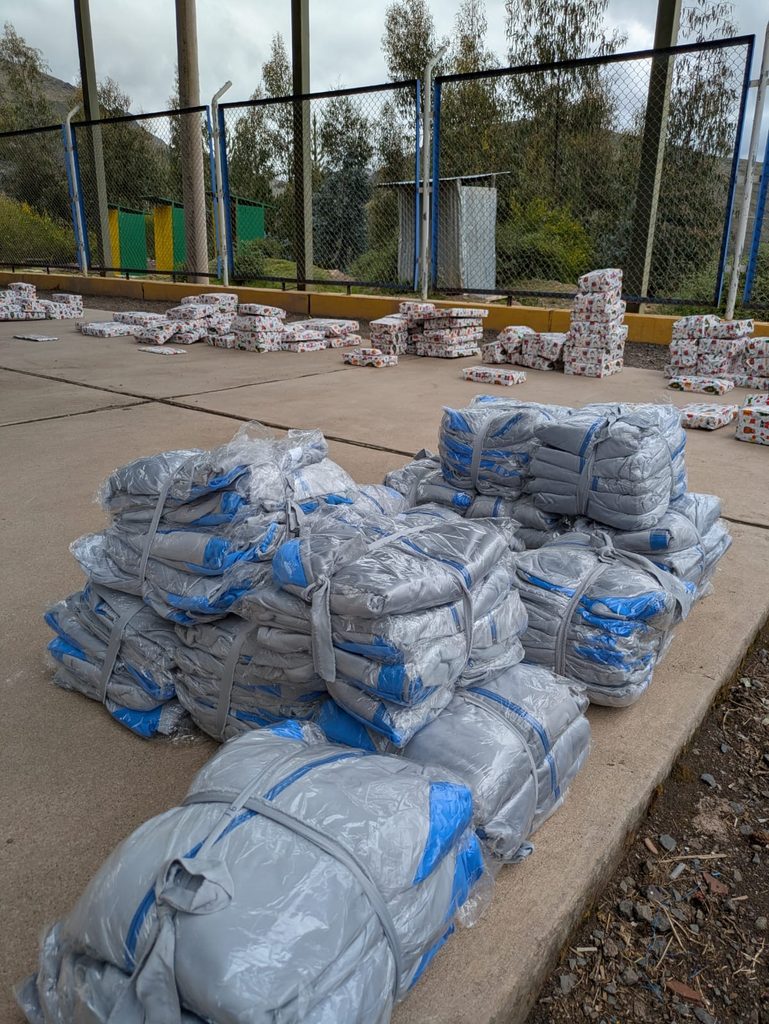
We spend weeks shopping, wrapping presents, ordering school uniforms, labeling and organizing by class, organizing food, and transportation.

Chocolata Party!
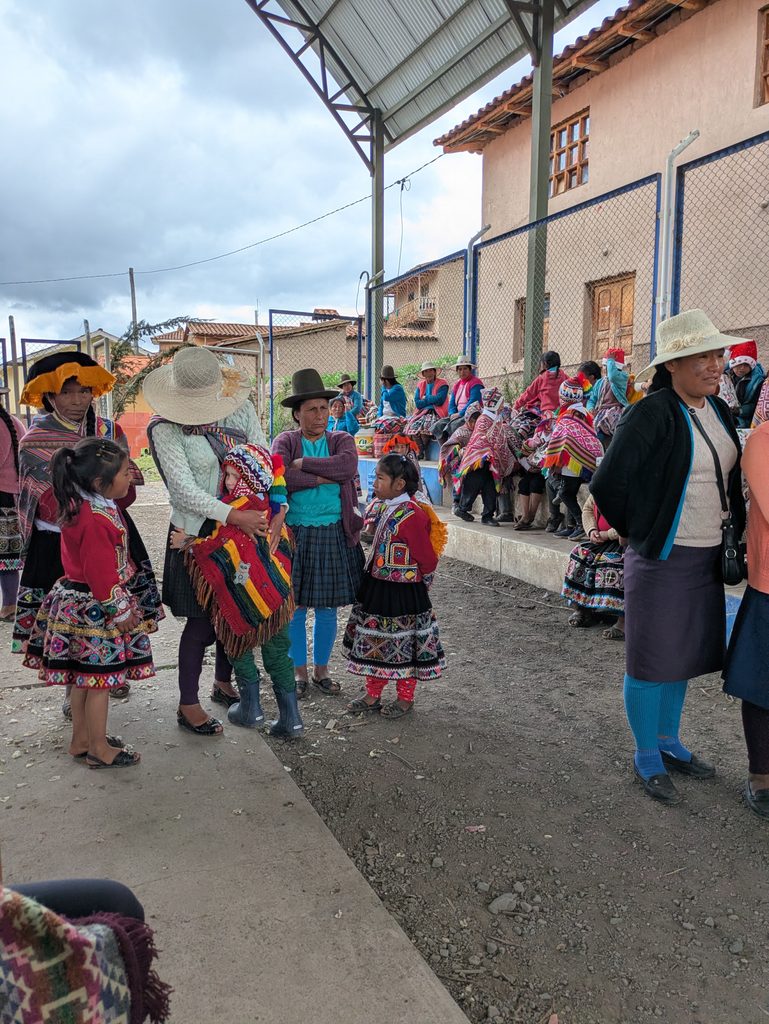
We bring everything to Amaru for the annual chocolata. The kids enjoy their christmas pageant, hot chocolate, panatones, and receiving new gifts, clothes, and school supplies. All the families participate in ANYI by donating textiles to be sold the following year to help raise funds.
Amaru Primary School
Every purchase of these handcrafted textiles directly contributes to funding educational resources and a special Christmas surprise for the students.
Donate Directly or Shop Online
Please reach out to blueheronheals@gmail.com to inquire about direct donations via VENMO ZELLE PAYPAL WISE